Will You Embrace the Woven Magic? From Earth to Elegance with Cane Webbing
Will You Embrace the Woven Magic? From Earth to Elegance with Cane Webbing
In an era where our design choices are increasingly reflective of our environmental values, a quiet revolution is taking place in our homes. It’s a movement that bridges the profound gap between raw, untamed nature and refined, conscious living. At the heart of this movement lies cane webbing—a material once relegated to the attics of nostalgia, now emerging as a silent hero of sustainable style. Woven from the strands of the rattan palm, this humble craft has been reborn, gracing the most modern of interiors and serene garden spaces with its effortless, organic elegance. But how does this elementary, earthy material transcend its rustic origins to become a powerful, contemporary design statement? The journey is one of artistry, ethics, and timeless appeal.
A Legacy Woven Through Time: More Than Just Nostalgia
To view cane webbing merely as a "retro trend" is to overlook its rich and global history. For centuries, across Southeast Asia and other tropical regions, the art of weaving rattan has been a cornerstone of craftsmanship. This was not a material chosen for its aesthetic alone, but for its remarkable functional properties: strength, flexibility, and abundance. It was the people's material, used for everything from fishing traps and baskets to sturdy furniture.
The Western world's fascination with cane exploded in the mid-20th century, particularly within the Danish Modern and Bohemian design movements. Designers like Hans Wegner and Charles & Ray Eames utilized cane for its lightweight yet durable nature and its ability to add visual lightness to solid forms. Today’s resurgence isn't just a repetition of the past; it's a reverence for it. We are not replicating; we are recontextualizing. We value the story, the human touch, the connection to a slower, more deliberate way of creating. Cane webbing is a functional masterpiece that carries the DNA of generations of artisans, making it a nod to heritage, not just nostalgia.
Versatility Redefined: The Functional Artistry
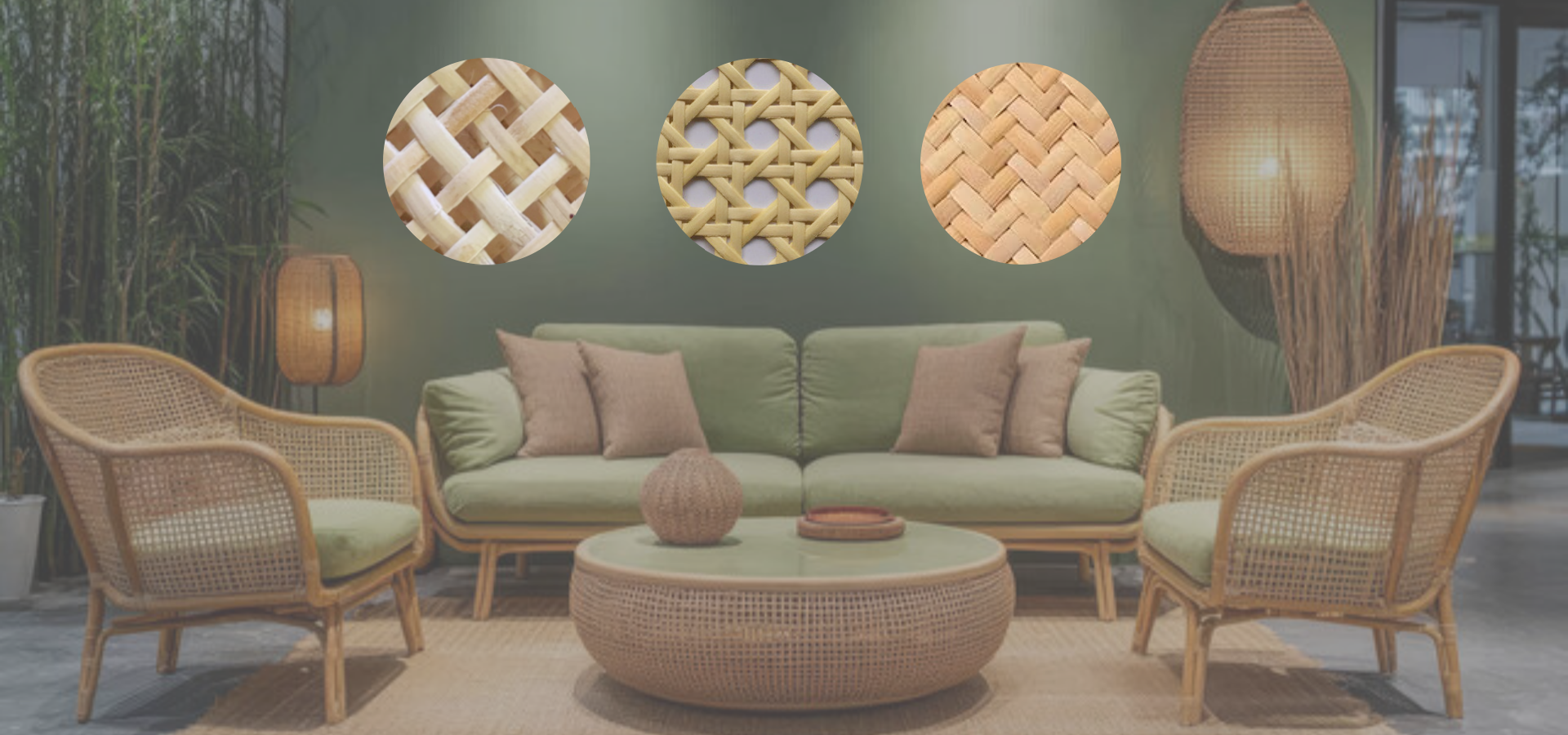
The true genius of cane webbing lies in its chameleon-like ability to adapt and enhance. Its grid-like, breathable texture and inherent natural durability make it a designer's dream for a multitude of applications.
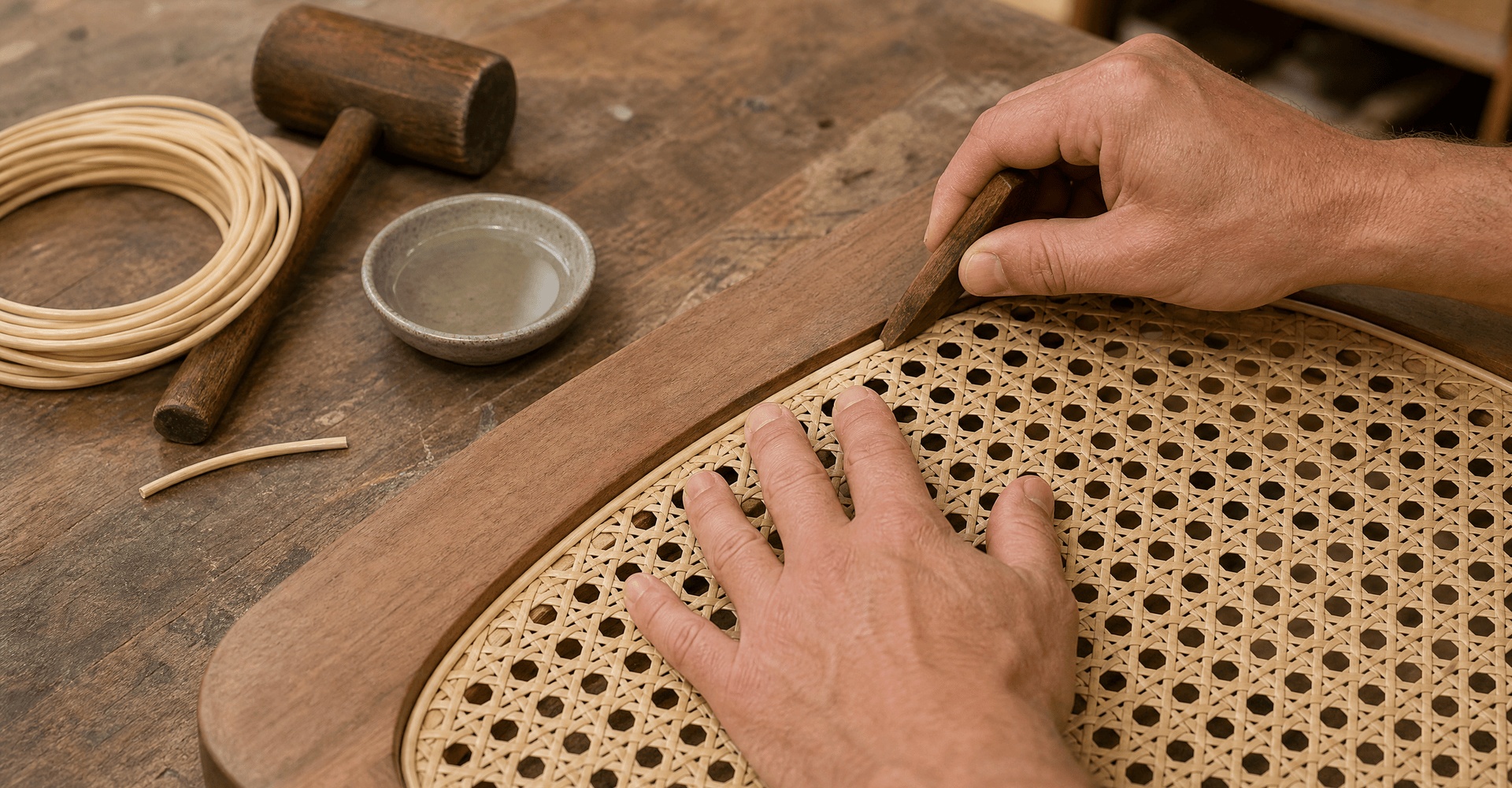
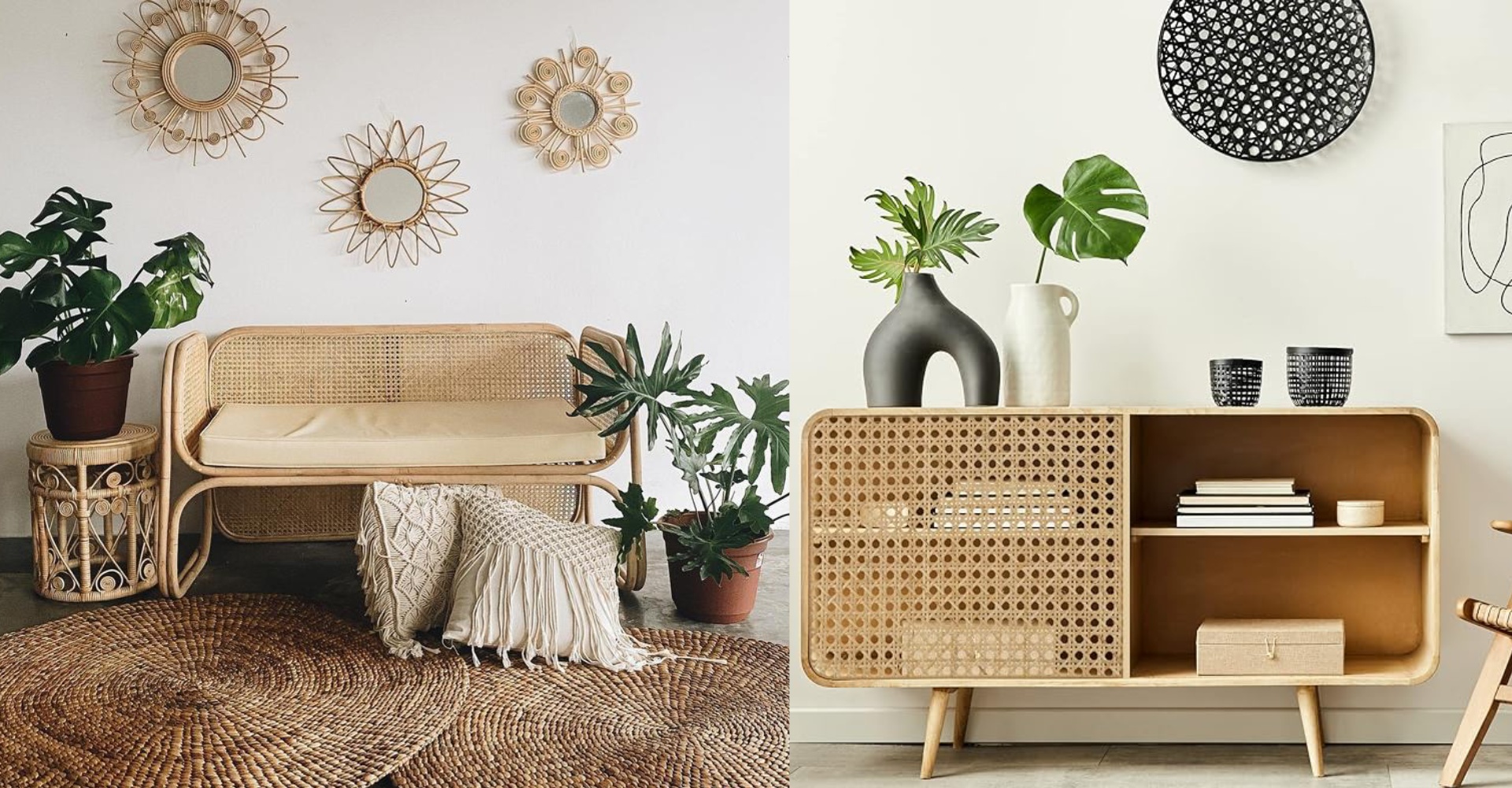
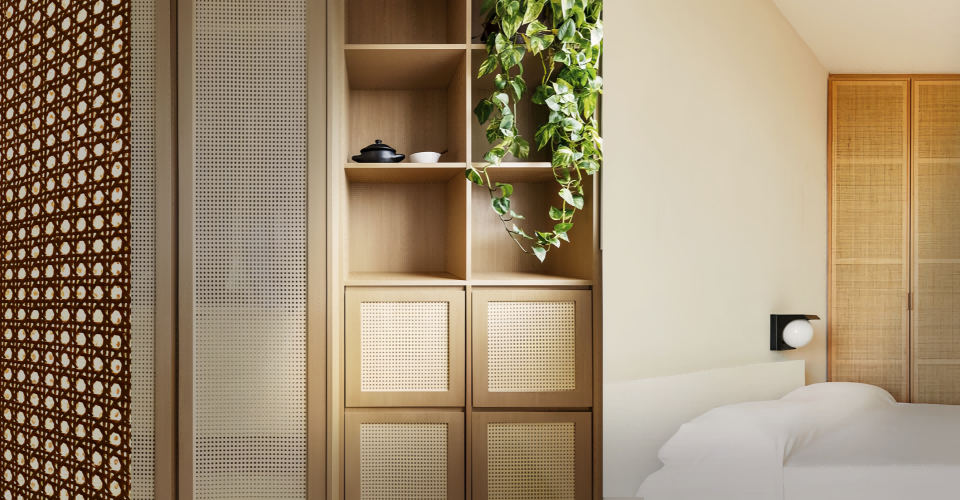
In Furniture: It is the star of the show in chic chair backs and seats, providing a comfortable, breathable surface that moulds to the user. It brings texture to cabinet doors, breaking up the monotony of solid wood or painted surfaces. As room dividers, it performs a magical trick: it defines spaces without closing them off, allowing light and air to flow freely, maintaining an open and airy feel in even the smallest of apartments.
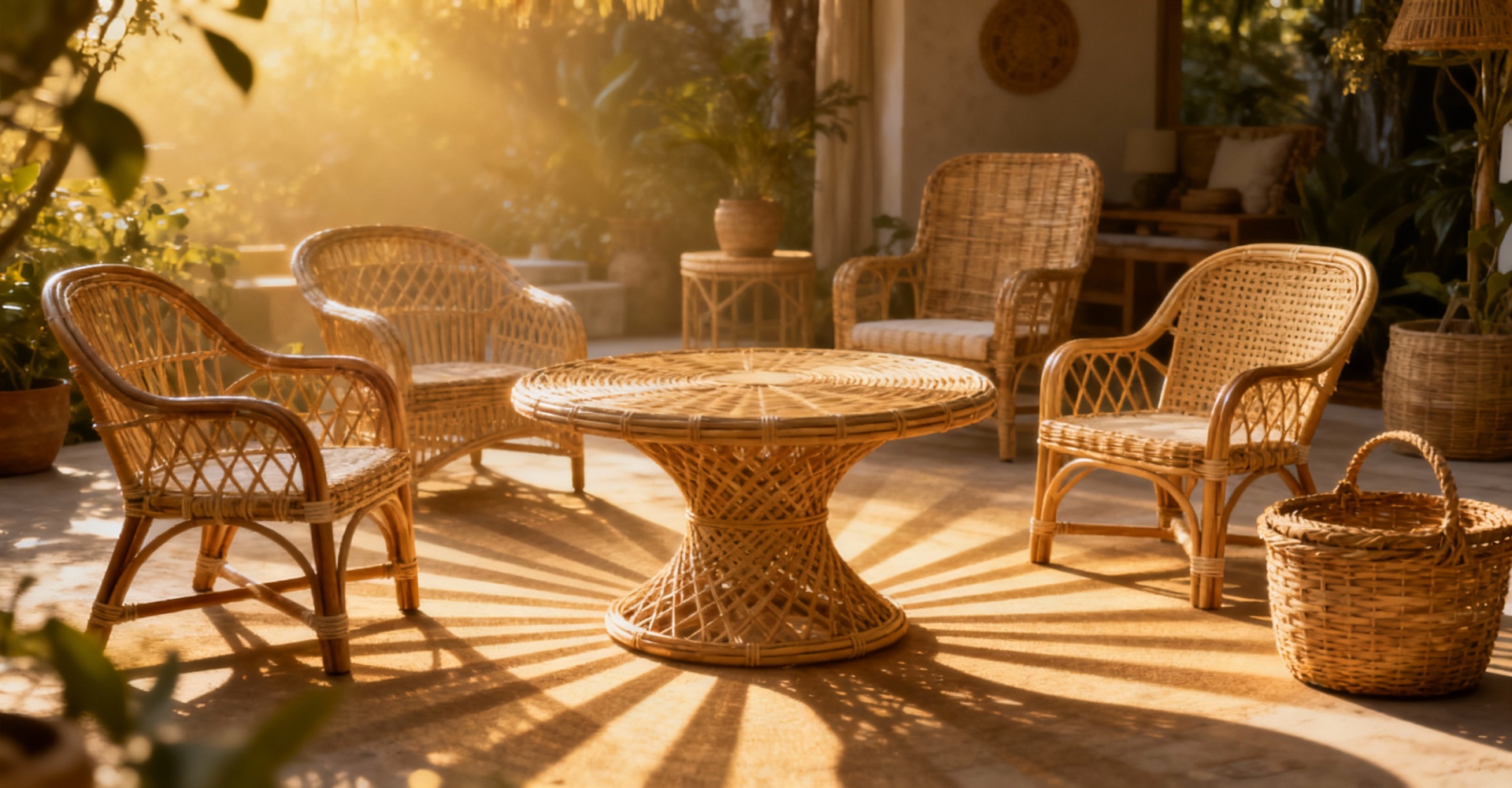
In Garden Essentials: The transition from indoors to outdoors is seamless. Cane webbing thrives in the garden as decorative yet functional trellises for climbing roses and sweet peas. It elevates simple planters into sculptural objects, and when used in outdoor furniture, it withstands the elements better than many fabrics while aging with a beautiful, silvery-grey patina. Whether indoors or out, it consistently adds a layer of organic warmth and tactile interest that few other materials can achieve.
Eco-Conscious Beauty: The Ethical Choice
In a world drowning in plastic and synthetic composites, the choice of cane webbing becomes a profoundly ethical one. Cane is not just a natural material; it is a poster child for sustainability. Rattan is a rapidly renewable resource—it grows much faster than hardwood trees, and its harvest actually encourages new growth. Its cultivation requires no pesticides or fertilizers, and it is entirely biodegradable, returning to the earth from whence it came without a trace.
Choosing a piece with cane webbing is, therefore, more than a design choice; it is a pledge to protect the planet. It is a vote for a circular economy where products are made from natural materials and are built to last. Imagine a dining chair that, over decades of use, develops a unique character and story. When its long life finally concludes, it leaves behind no permanent carbon footprint, only memories. This peace of mind is an invisible layer of luxury in itself.
Design Alchemy: Weaving Old Craft with a New Soul
The most exciting aspect of cane’s comeback is how contemporary designers are alchemizing this old craft into something utterly fresh and relevant. They are not just using it; they are reimagining it. By placing the traditional weave within minimalist, clean-lined frames of blackened steel or light oak, they create a stunning contrast between the organic and the industrial.
The finish plays a crucial role. While a natural, honey-toned cane celebrates its raw beauty, painting the webbing itself opens a world of possibilities. A deep charcoal grey or a bold forest green instantly modernizes the texture, making it a dramatic focal point. This adaptability allows it to slide seamlessly into any design schema: it provides the perfect textural element in a serene Japandi interior, adds an artisanal handcrafted vibe to a Scandinavian space, and is an indispensable ingredient in the layered, global tapestry of boho style. Forward-thinking brands are pairing it with sleek metal and plush velvet, proving that tradition, when treated with respect and innovation, can feel thrillingly new.
Bring Nature’s Poetry Home: The Soulful Touch
Ultimately, the power of cane webbing transcends trends and specifications. It is about the soul it brings into a space. A cane-webbed mirror does more than reflect your image; it frames it like a sun-dappled glimpse through a forest edge, softening your reflection with nature’s filter. A woven planter does more than hold a plant; it becomes a partner in growth, allowing herbs to thrive within its rustic charm, connecting you to the cycle of life every time you water them.
These pieces don’t just decorate a room; they whisper stories. They speak of earth and artistry, of patience and skill. They add a layer of poetic narrative that flat, mass-produced items simply cannot replicate. They remind us to breathe, to touch, to appreciate the beauty of imperfection and the grace of natural aging.
From the rich EARTH to refined Elegance, the journey of cane webbing is a powerful reminder that true, enduring luxury is not found in ostentation, but in harmony. It is the luxury of authenticity, of sustainability, and of beauty that is both seen and felt. So, the question remains: will you let its woven magic elevate your space?
SURIKA Development History