What's the Future of Rattan - Woven Furniture?
What’s the Future of Rattan - Woven Furniture?
Introduction
In today's highly competitive market, the rattan - woven furniture industry is facing intense price competition. As consumers become more price - sensitive, businesses are constantly seeking ways to stand out. This article delves into the current situation of the rattan - woven furniture industry through in - depth conversations with industrial belt factories and merchants, aiming to uncover the paths for business breakthroughs.
The Current Landscape of the Rattan - Woven Furniture Market
The rattan - woven furniture market has witnessed a significant boom in recent years. Its natural, eco - friendly appeal and unique aesthetic have attracted a wide range of consumers. However, with the increasing number of players in the market, price competition has become fierce. Many merchants are vying for market share by offering lower and lower prices, which has put pressure on the entire industry.
Industrial belt factories, which are the backbone of the rattan - woven furniture production, are also feeling the pinch. Rising raw material costs, such as those of rattan cane and other weaving materials, coupled with the need to maintain quality while keeping prices competitive, have created a challenging situation.
The Dilemma of Low - Price Competition
- Quality vs. Price
One of the most significant dilemmas in the low - price competition is the balance between quality and price. In an attempt to offer lower prices, some factories may cut corners on raw materials or production processes. This can lead to a decline in the quality of rattan - woven furniture, which in turn affects the reputation of the entire industry. For example, using lower - grade rattan cane may result in furniture that is less durable and more prone to breakage.
- Brand Building Challenges
Low - price competition also poses a challenge to brand building. When consumers are mainly focused on price, it becomes difficult for merchants to invest in brand - building activities such as marketing, product design innovation, and customer service improvement. As a result, many rattan - woven furniture brands struggle to differentiate themselves in the market, and it becomes a race to the bottom in terms of price.
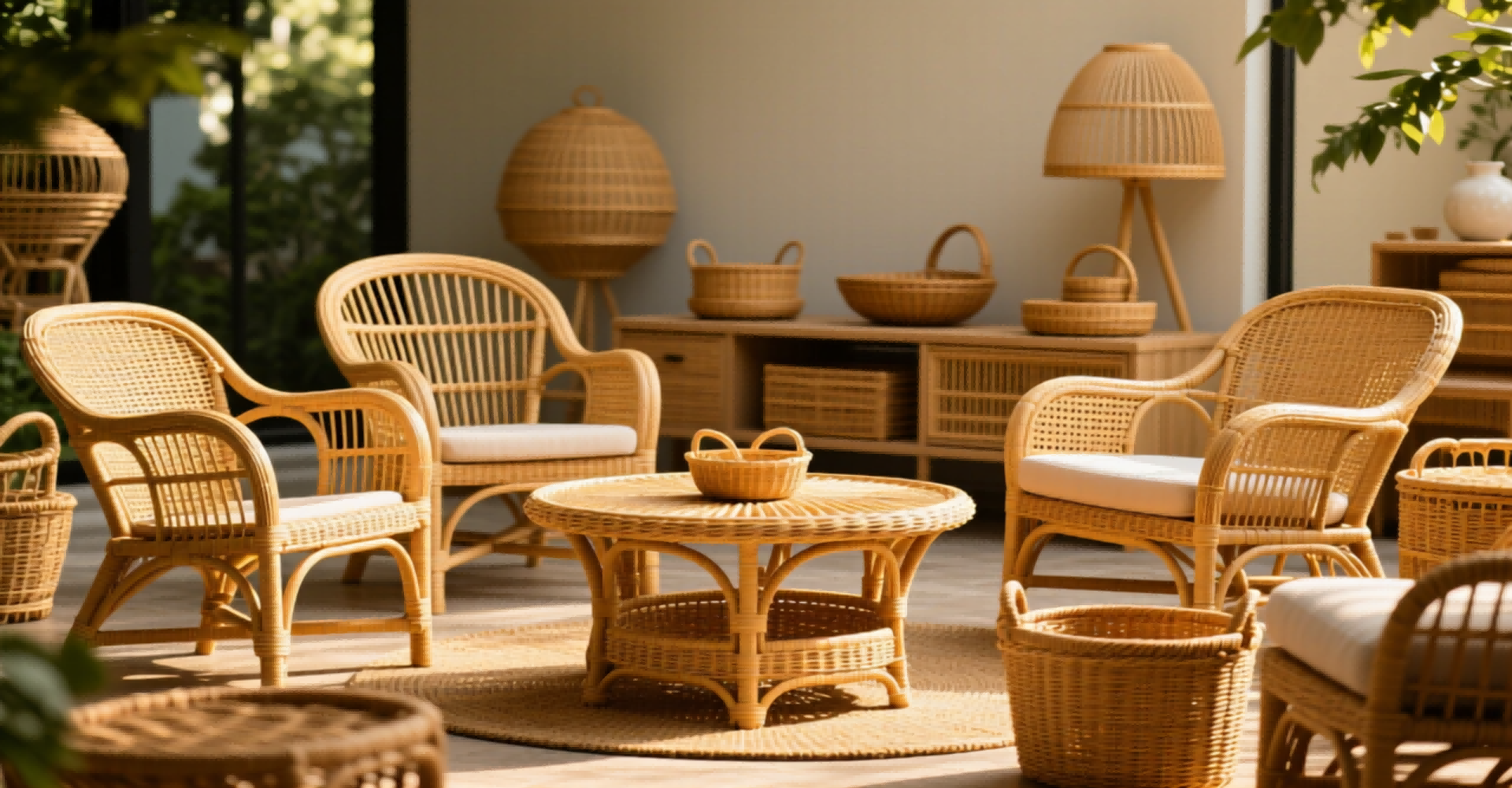
Strategies for Breakthrough
- Focus on Quality and Craftsmanship
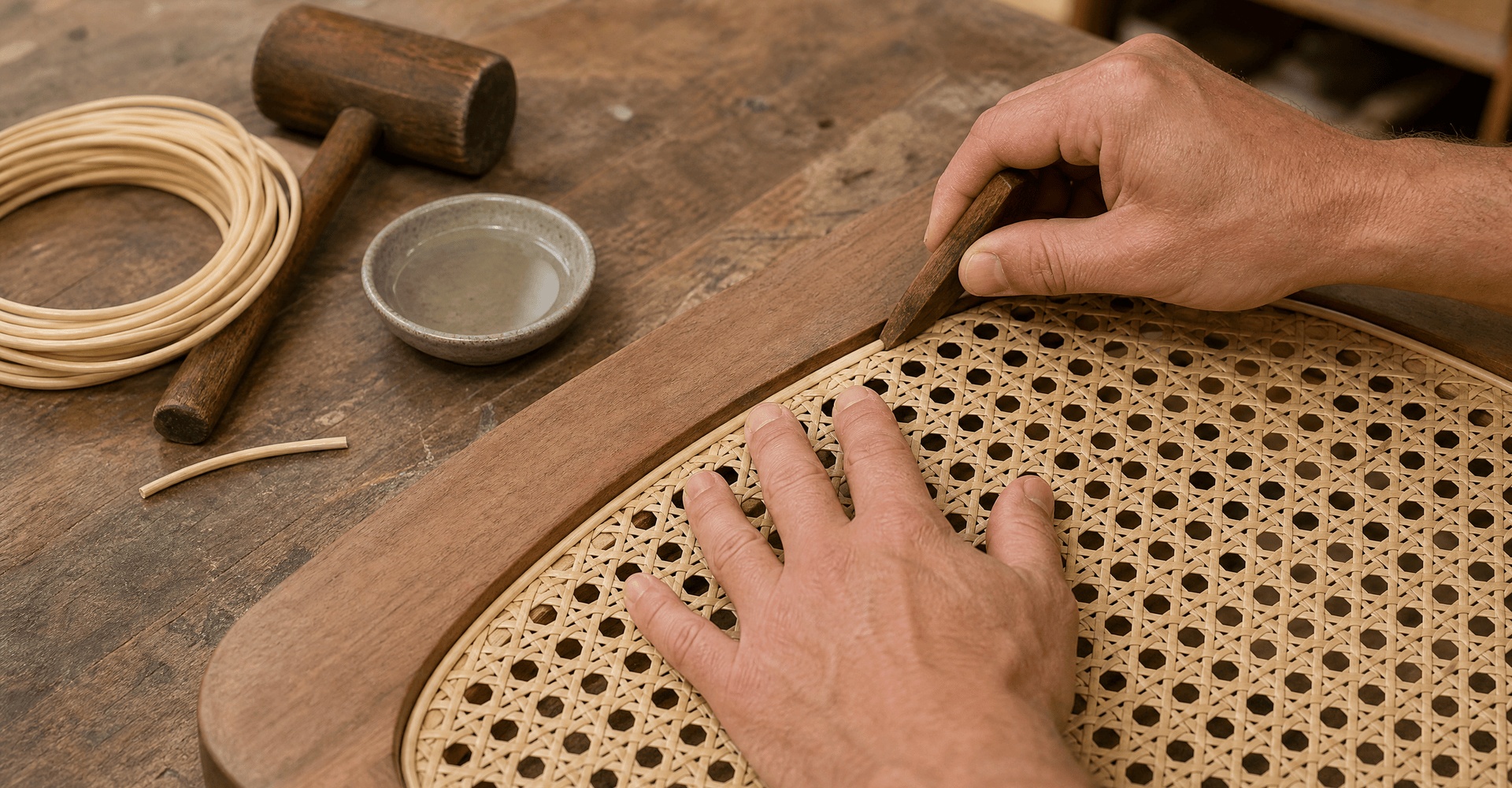
Many forward - thinking factories and merchants emphasize the importance of quality and craftsmanship. By using high - quality rattan materials and employing skilled weavers, they can create furniture that stands out in terms of durability and aesthetic appeal. For instance, some factories are investing in training their workers to master traditional and complex weaving techniques, such as herringbone weave or floral weave, which add value to the products.
- Product Innovation
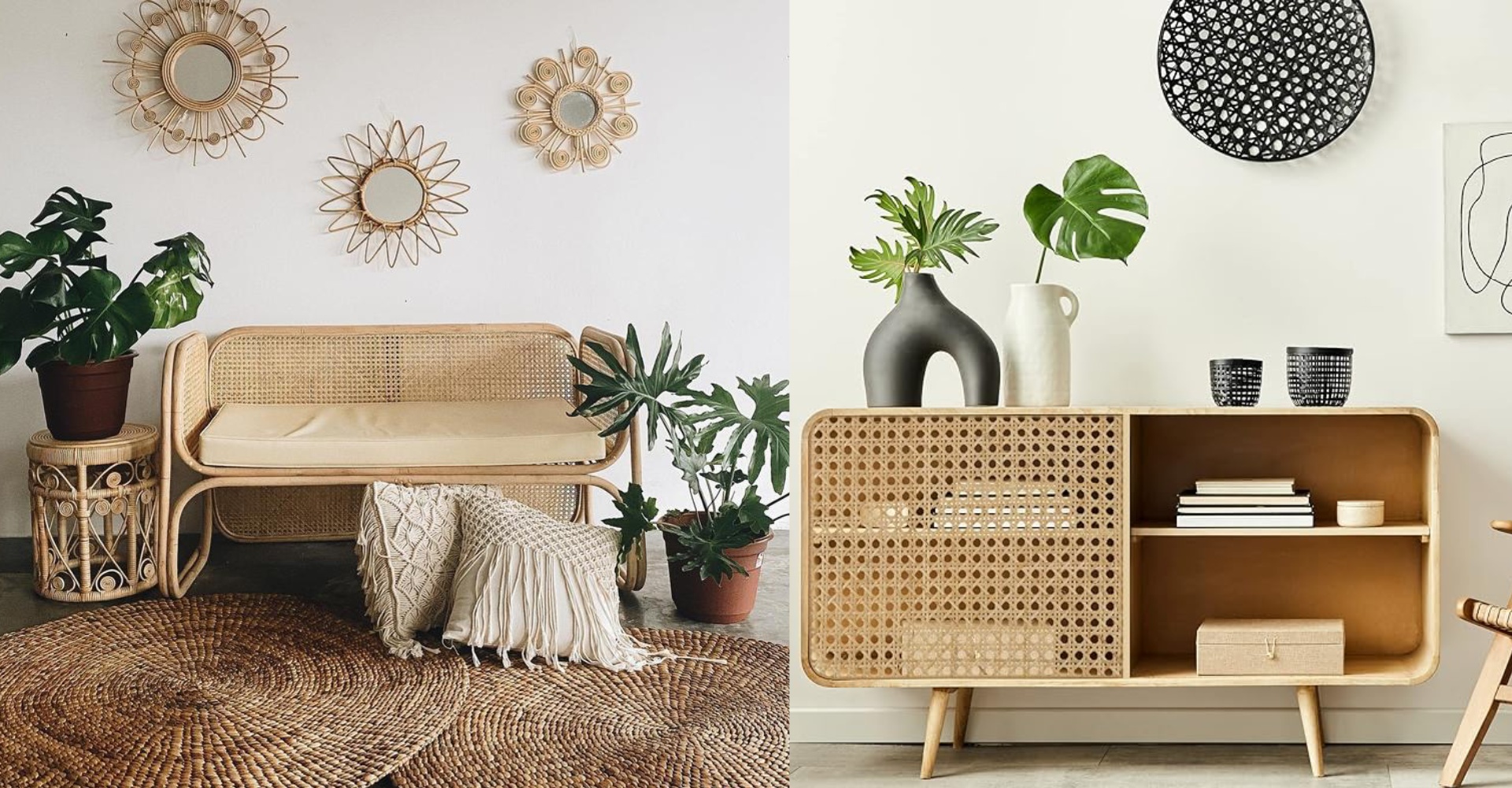
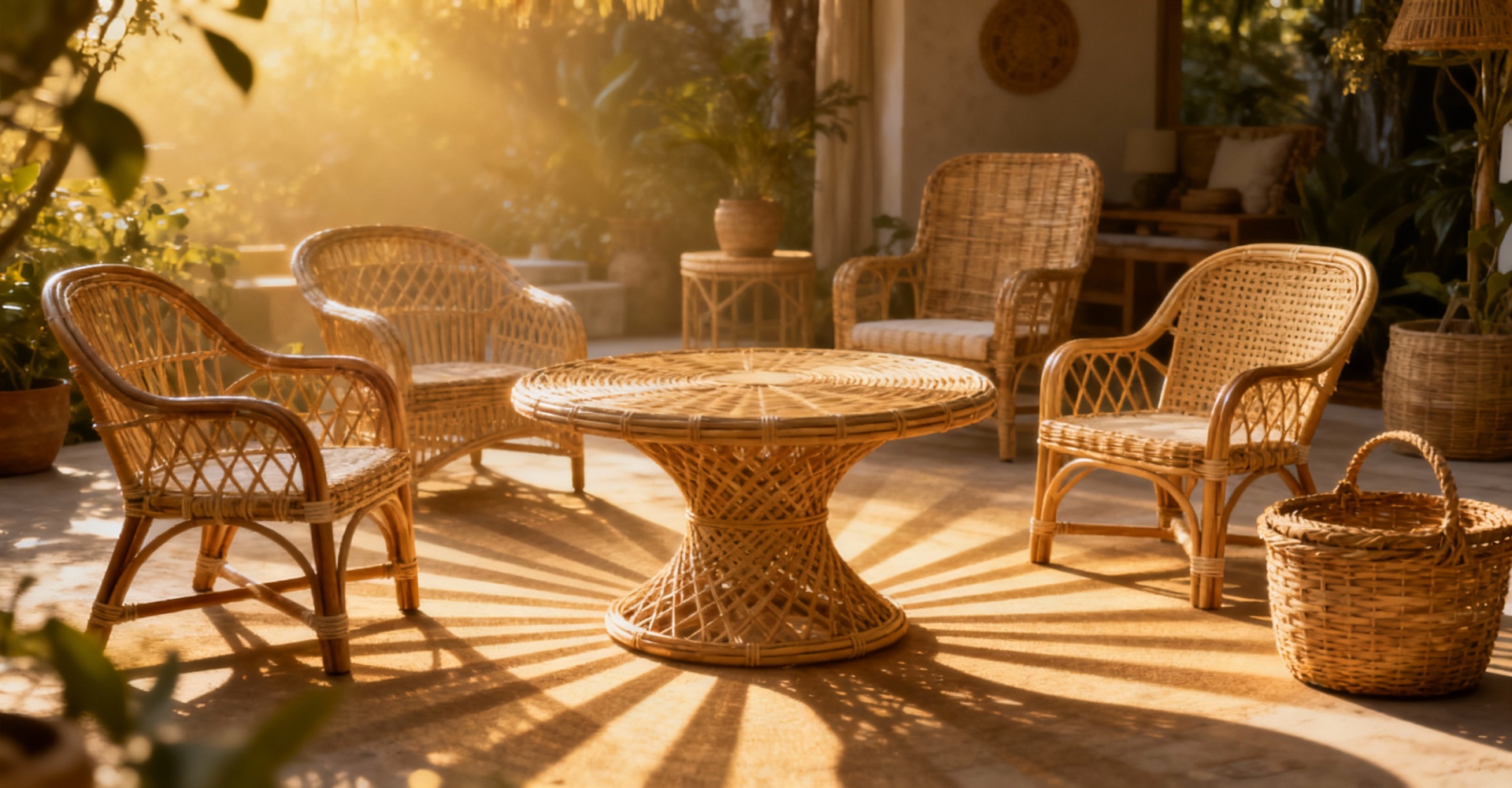
Innovation is another key to breaking through the low - price competition. This includes not only new designs but also the development of new product applications. Some merchants are exploring the use of rattan - woven furniture in new settings, such as outdoor luxury resorts or modern urban lofts. Additionally, they are combining rattan with other materials, like metal or glass, to create unique and contemporary furniture pieces.
- Branding and Marketing
Building a strong brand is essential for long - term success. Merchants are starting to realize the importance of marketing their rattan - woven furniture as more than just a low - cost product. They are highlighting the natural, eco - friendly aspects of the furniture, as well as its cultural and artisanal heritage. Social media platforms are being used effectively to showcase the beauty and functionality of rattan - woven furniture, attracting a more discerning customer base.
A strong brand has the power to clearly communicate a unique message. For example, a luxury brand might convey exclusivity, high - quality craftsmanship, and a sense of status. This message is not only about the features of the product but also about the emotions and values it represents. It helps to build credibility in the marketplace. When consumers recognize and trust a brand, they are more likely to choose it over competitors, even if the price is higher.
Moreover, the synergy between branding and marketing is essential. A well - defined brand provides the foundation for marketing efforts. Marketing, in turn, helps to reinforce and expand the brand's reach. For example, a brand that positions itself as environmentally friendly can use marketing campaigns to highlight its sustainable practices, such as using recycled materials or reducing carbon emissions. This not only attracts environmentally conscious consumers but also strengthens the brand's identity.
In addition, both branding and marketing require continuous innovation and adaptation. Consumer preferences change over time, and businesses need to keep up with these trends. For example, the growing demand for personalized products and services has led to the development of marketing strategies that offer customized experiences. Brands are now using data analytics to understand individual customer behavior and preferences, allowing them to create more targeted marketing campaigns and enhance the overall brand experience.
- Value - added Services
Providing value - added services can also set a business apart. This may include customized design services, where customers can choose the color, pattern, and size of their rattan - woven furniture. After - sales services, such as repair and maintenance, are also becoming more important, as they enhance customer satisfaction and loyalty.
- The Role of E-commerce
E - commerce has opened up new opportunities for the rattan - woven furniture industry. Online platforms allow merchants to reach a wider customer base, both domestically and internationally. They can also use data analytics to understand customer preferences better and tailor their products and marketing strategies accordingly.
However, e - commerce also brings its own set of challenges. The highly competitive nature of online marketplaces means that standing out requires a well - thought - out digital marketing strategy. Merchants need to optimize their product listings, use high - quality images, and provide detailed product descriptions to attract customers.
Conclusion
In the face of cut - throat low - price competition, the rattan - woven furniture industry has several viable paths for breakthrough. By focusing on quality, innovation, branding, and value - added services, industrial belt factories and merchants can carve out a niche in the market. E - commerce also offers great potential for growth, but it requires careful navigation.
The future of rattan - woven furniture lies in its ability to combine the charm of traditional craftsmanship with modern business strategies. By doing so, the industry can not only survive but thrive in the competitive market, offering consumers high - quality, unique, and sustainable furniture options.
How Can Rattan - Woven Elements Achieve Advanced Playstyles? The 2026 Home Trends Provide the Answers
Spooky - Chic: Halloween - Inspired Woven Products