What is Cane Webbing: The Timeless Art of Woven Design
2025-06-05
What is Cane Webbing: The Timeless Art of Woven Design
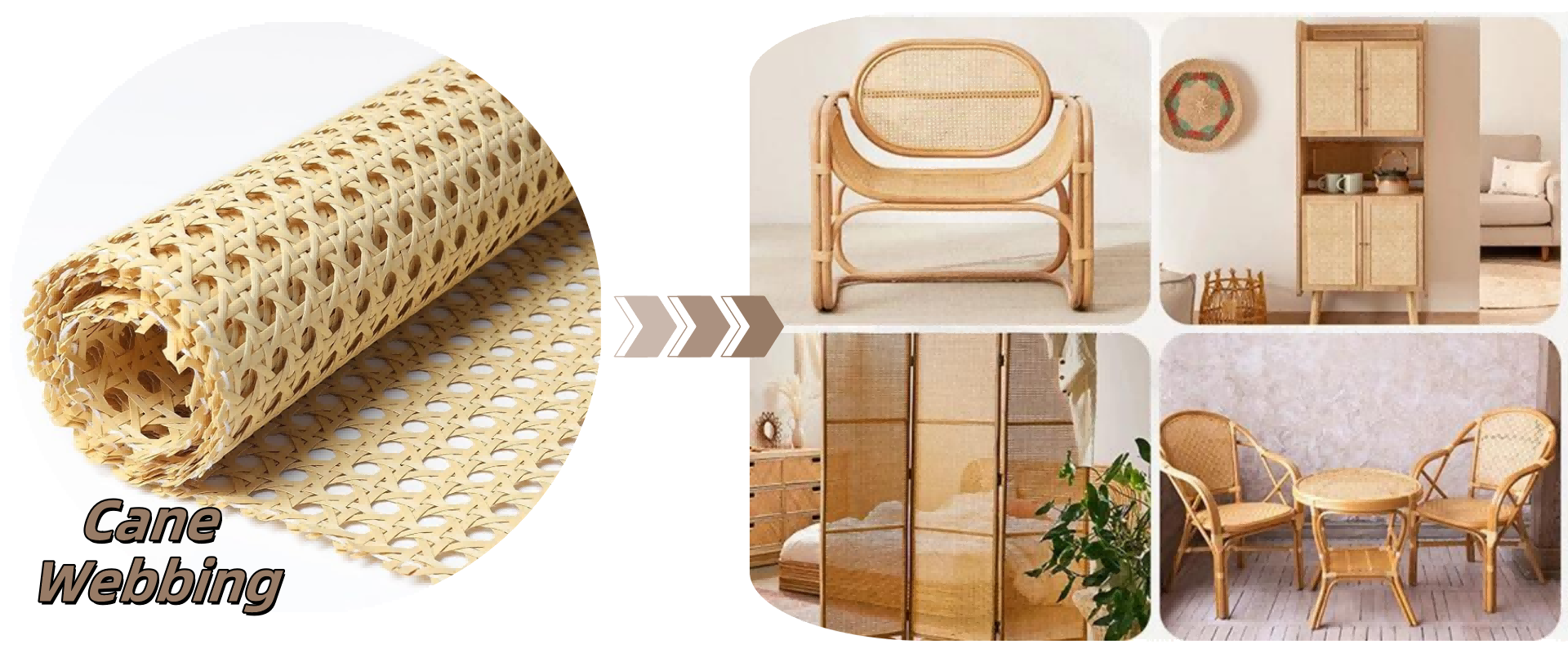
Cane webbing is far more than just a material; it is a testament to timeless craftsmanship, a versatile design element that has woven its way through centuries of interior design history. At its core, cane webbing is a woven sheet material meticulously crafted from rattan, a naturally growing vine-like palm. Prized for its exceptional combination of strength, durability, and remarkably lightweight properties, it introduces texture, pattern, and a sense of airy lightness to any space. This unique material transcends mere function, serving as a bridge between organic, natural aesthetics and structured, human design. It is a favorite among furniture makers, interior designers, and DIY enthusiasts for its ability to blend seamlessly with various styles, from rustic and tropical to mid-century modern and contemporary minimalist.
The Historical Roots: A Journey from Asian Craftsmanship to Global Design
The story of cane webbing is deeply interwoven with the history of rattan cultivation and craftsmanship across tropical Asia. Native to the lush regions of Southeast Asia, Africa, and Australia, rattan has been utilized for millennia by local artisans who mastered its properties, creating everything from practical tools and robust ropes to intricate furniture and structural elements for dwellings. Its natural strength and flexibility made it an invaluable material in these regions long before it gained international recognition.
The global appreciation for cane webbing emerged through centuries of trade and cultural exchange along major trading routes. Merchants and travelers from various parts of the world encountered rattan furniture in Southeast Asian markets and port cities, marveling at its resilience in humid climates—where it resisted warping and cracking that plagued solid wood alternatives. These early exchanges led to the gradual introduction of rattan furniture to European markets, where it found particular favor in sunrooms, conservatories, and patio settings for its breathable quality and distinctive aesthetic.
The 19th century saw significant development in the international trade of rattan products. British furniture makers, among other European craftsmen, began incorporating cane webbing into their designs, particularly for pieces intended for use in tropical climates. This period witnessed the creation of specially designed furniture featuring cane panels that addressed practical needs for lightweight, durable, and ventilated seating. The material's functionality, combined with its unique visual appeal, secured its place in furniture design.
The Anatomy and Manufacturing Process: From Vine to Weave
Understanding how cane webbing is made reveals why it is so special. The process is a remarkable blend of natural resourcefulness and skilled artistry.
- The Source: Rattan Palm: Unlike bamboo, which is hollow, rattan is a solid-core vine. This solid core is what gives it its strength. The outer bark of the rattan vine is tough and resilient.
-
Harvesting and Processing: Mature rattan vines are harvested, and their outer skin is stripped away. This outer skin is then cut into long, pliable strands of varying widths. These strands are known as "cane." The inner core of the vine can also be used, often for structural elements or for a different type of webbing.
-
The Weaving Loom: The prepared cane strands are woven on large, traditional looms. The weaving pattern, most commonly the classic six-step "open basketweave" or "octagonal" pattern, is created by skilled artisans. The process involves meticulously interweaving horizontal (weft) and vertical (warp) strands under tension to create a consistent and tight sheet.
-
Finishing: Once woven into large sheets, the webbing may be sanded lightly to smooth any splinters. It is then typically rolled into large bolts for shipping and sale to furniture manufacturers, upholsterers, and retailers.
An In-Depth Look at the Types of Cane Webbing
The evolution of materials science has expanded the options available, catering to different needs, budgets, and environments.
- Natural Cane Webbing
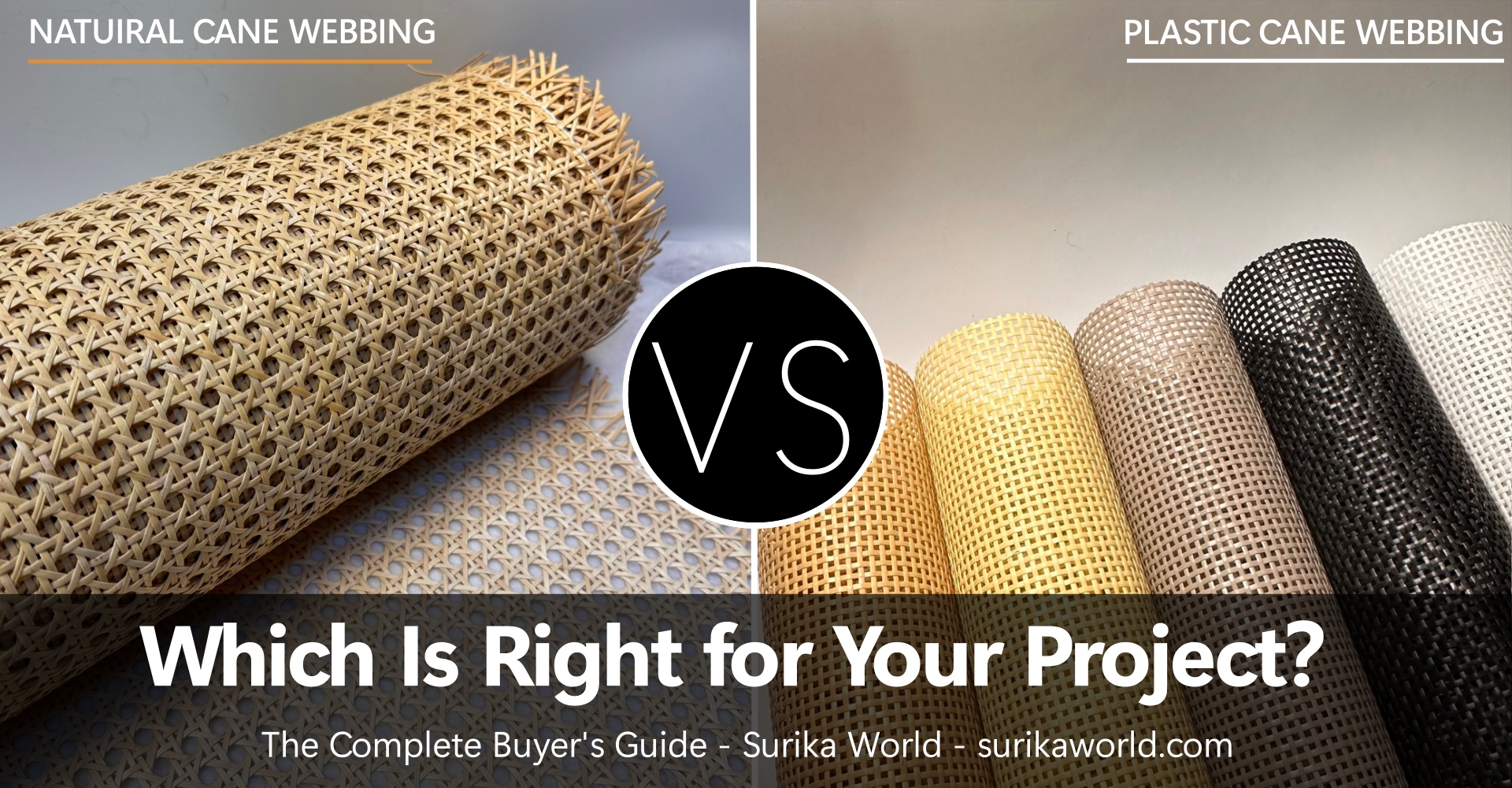
Made from the rattan plant, natural cane webbing is favored for its organic texture and rustic charm. It is sturdy, cost-effective, and environmentally sustainable. A variation, rattan core webbing, is derived from the plant’s inner core, making it lighter and more flexible while retaining durability.
- Synthetic Cane Webbing
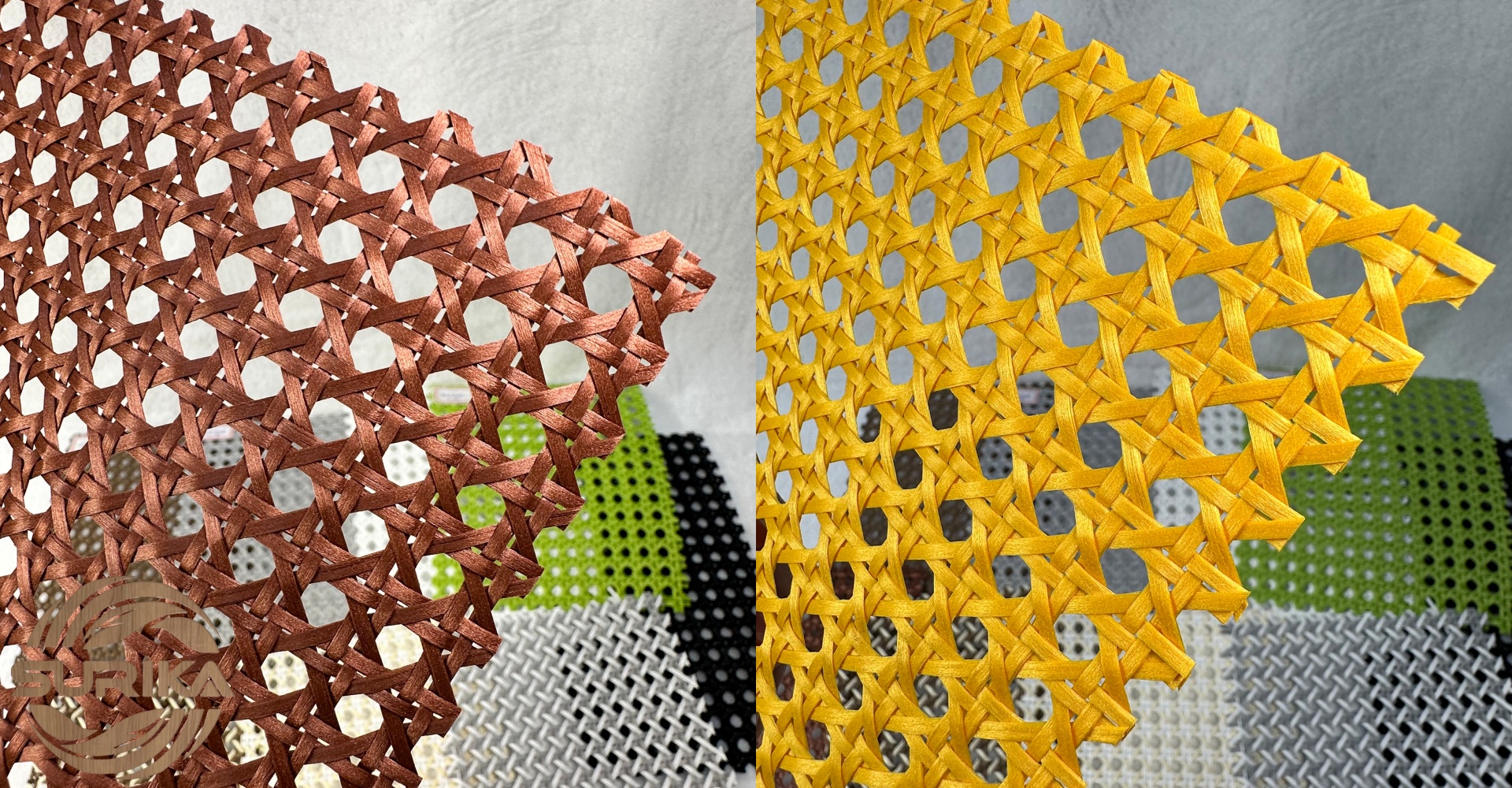
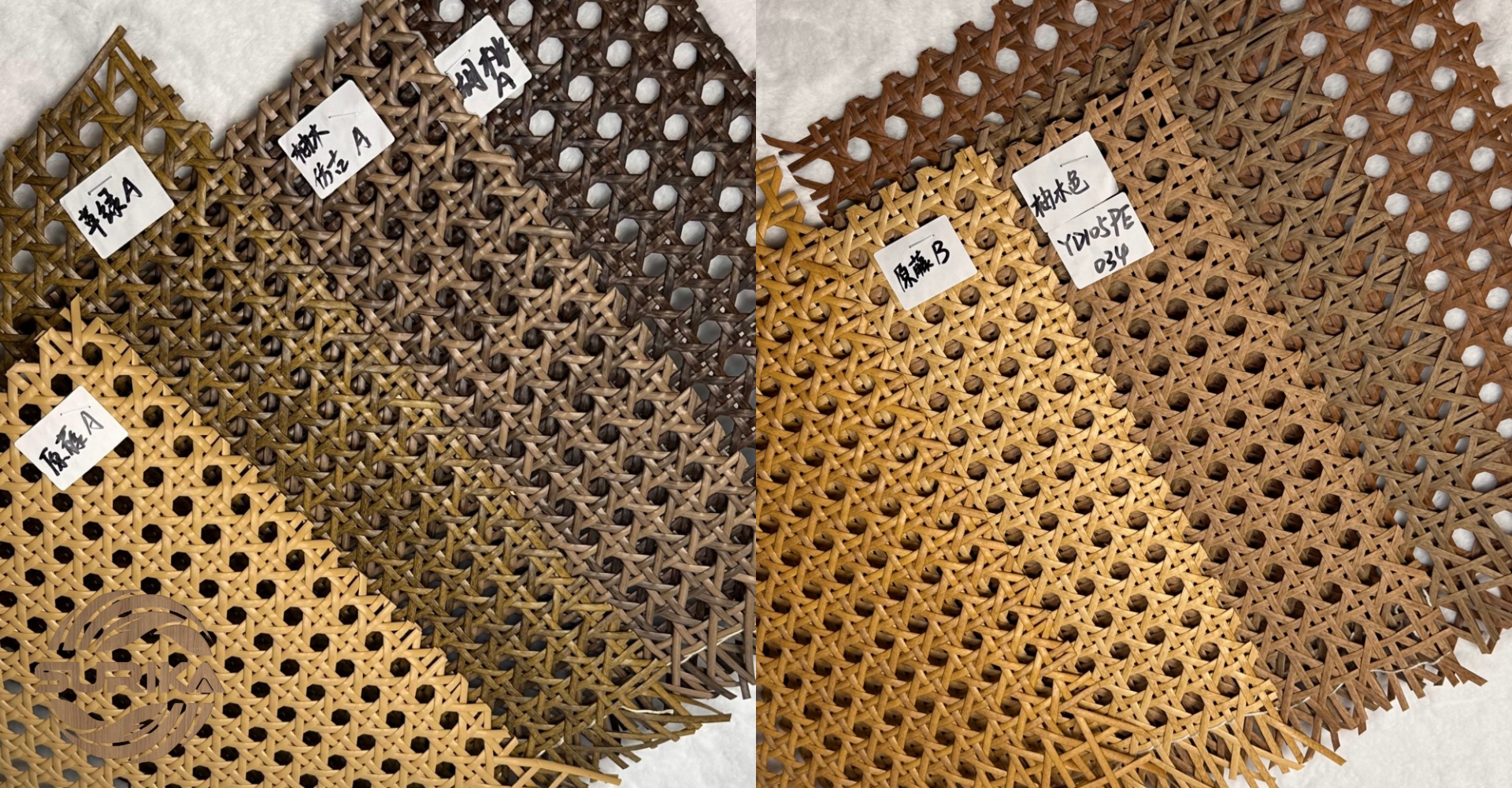
Synthetic alternatives provide affordability and enhanced resilience, particularly in outdoor or high-moisture settings.
- Plastic Cane Webbing – Highly durable and weather-resistant, though less authentic in appearance.
- Paper Cane Webbing – An eco-friendly option made from recycled paper, though less robust than other varieties.
- Cotton Cane Webbing – Soft and comfortable but lacks the longevity of rattan or plastic.
The Myriad Uses of Cane Webbing: Function Meets Form
Cane webbing’s versatility is its greatest asset. Its applications span from structural to purely aesthetic.
-
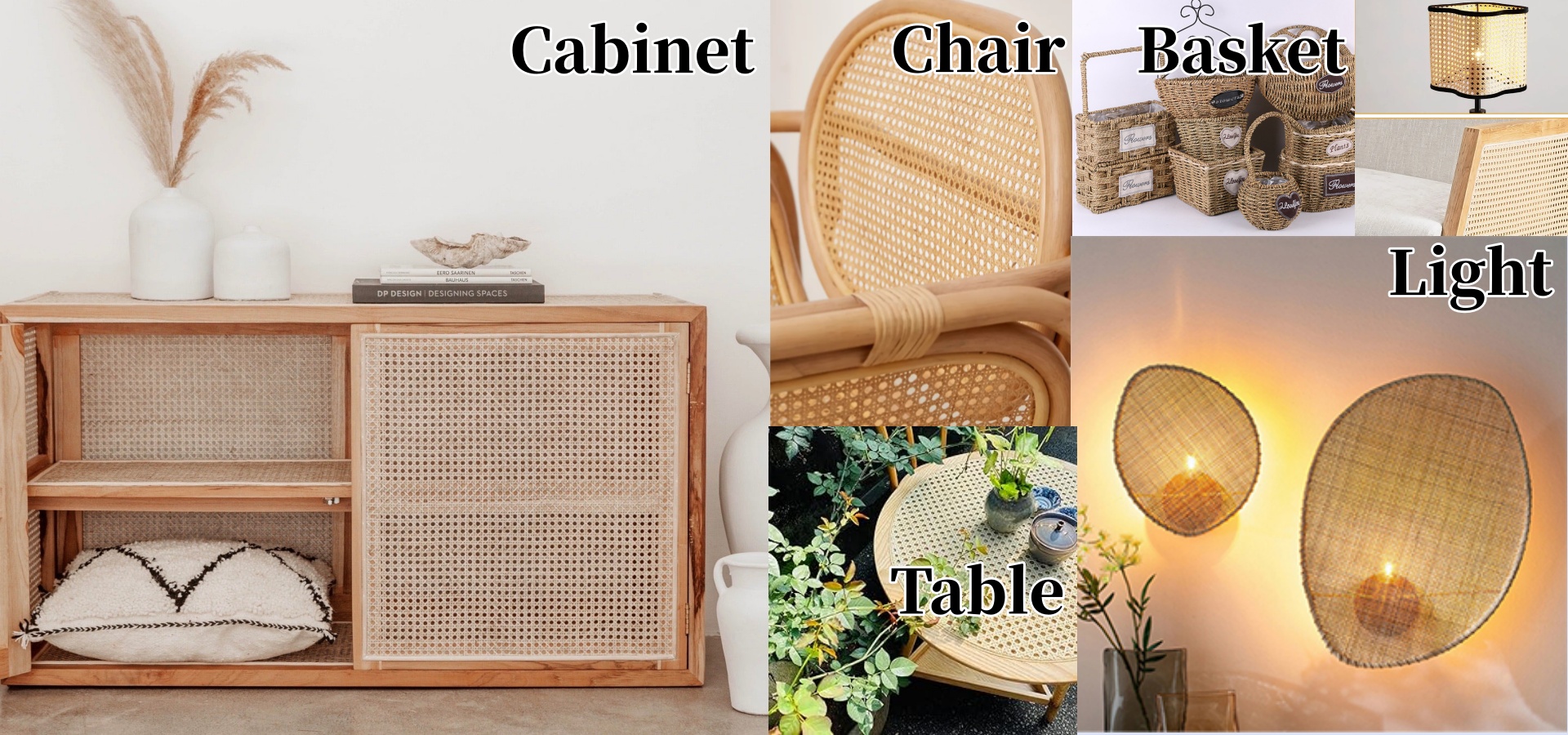
Furniture Making and Restoration: This is its primary domain. It is used for:
Seating: Chair backs and seats are the most classic use. It provides comfortable, flexible support that conforms to the body while allowing air circulation.
Cabinet and Door Insets: Used in cabinetry, sideboards, and closet doors, it breaks up large solid surfaces, adding visual interest and a touch of lightness to otherwise heavy pieces.
Table Accents: Often found as an inset on coffee table or console table tops, or as a decorative panel on the sides.
Bed Frames: Modern designers are increasingly using cane webbing as headboards or side panels, creating a breezy, relaxed bedroom vibe.
-
Home Décor and Accents: Its textural quality makes it a powerful decorative tool.
Room Dividers and Privacy Screens: Large panels of cane webbing mounted in frames create beautiful, effective partitions that define spaces without completely closing them off, maintaining a sense of airflow and light.
Wall Paneling and Headboards: Covering an entire wall or section of a wall with cane webbing creates a stunning, textured feature wall that is both organic and sophisticated.
Lighting: Woven into shades for pendants, floor lamps, and sconces, it creates beautiful, diffused patterns of light and shadow.
-
Storage and Organization:
Baskets and Hampers: Its inherent strength and rigidity make it perfect for crafting sturdy, lightweight, and breathable storage baskets, laundry hampers, and magazine holders.
DIY and Craft Projects: The recent DIY boom has seen cane webbing used in countless creative ways: as backing for open shelving, to create framed art pieces, to update old furniture, or even as an element in jewelry and accessory design.
Conclusion: An Enduring Legacy
Cane webbing is a material that has gracefully stood the test of time. It is a unique fusion of natural beauty, historical significance, and practical functionality. From its humble origins in tropical forests to its starring role in some of the most iconic furniture designs of the last century, it continues to captivate designers and homeowners alike. Its ability to add texture, warmth, and a sense of airy openness to any space is unmatched. Whether chosen in its authentic natural form for its organic charm or in a synthetic variant for its rugged resilience, cane webbing remains a sophisticated and sustainable choice, promising to remain a beloved design element for generations to come.
The Future of Outdoor Rattan: How PE Technology Expands Design Possibilities