Raffia Grass: The Natural Fiber Transforming Modern Craft & Design
2026-07-17
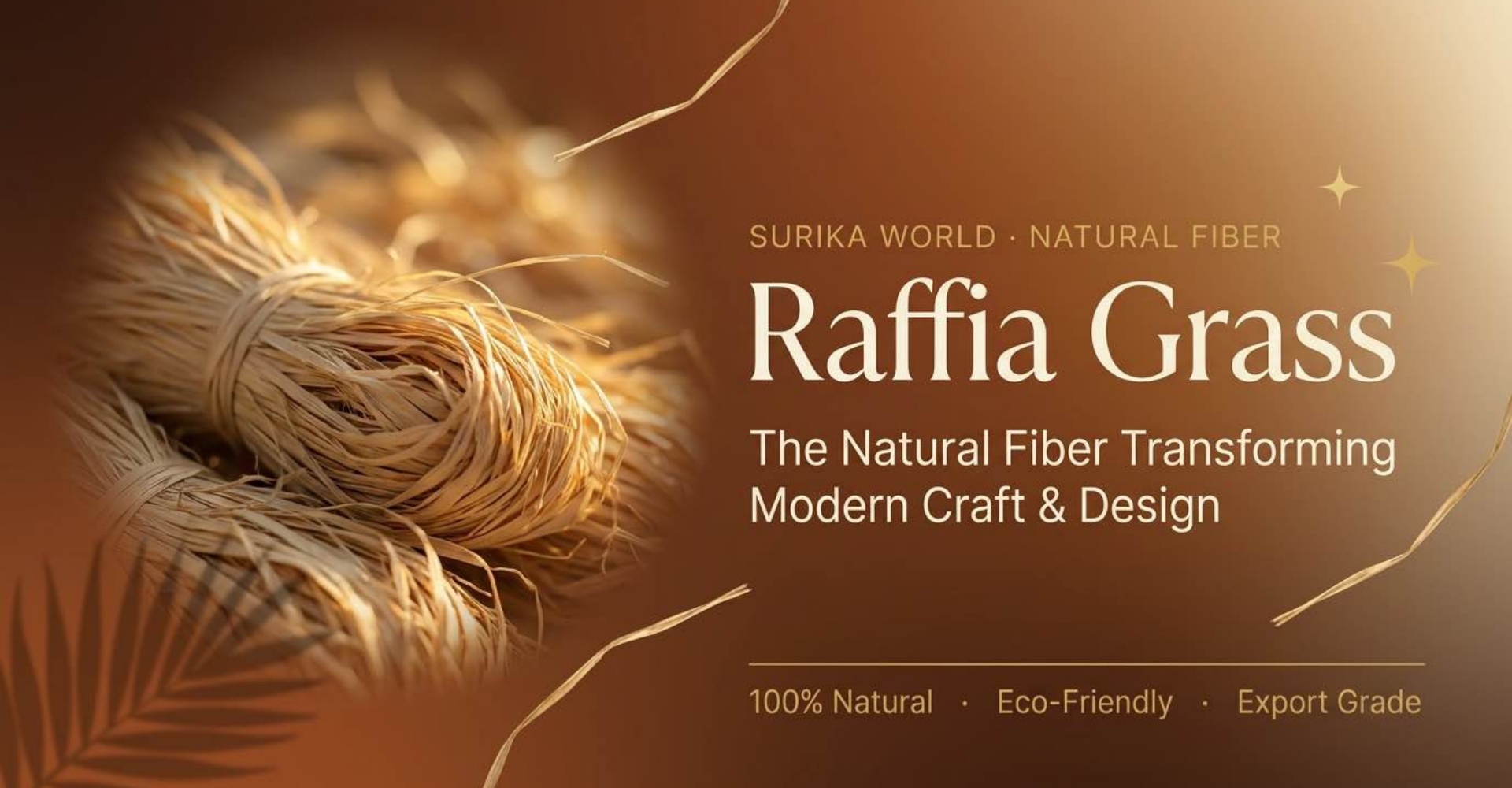
Raffia Grass: The Natural Fiber Transforming Modern Craft & Design
In an era where sustainability and authenticity are no longer just trends but genuine consumer values, raffia grass has quietly emerged as one of the most versatile and sought-after natural materials on the global market. From artisan workshops in Europe to high-volume manufacturers in Southeast Asia, this humble plant fiber is rewriting the rules of eco-friendly design. At Suzhou Surika Co., Ltd, we have built our reputation on supplying premium-grade natural raffia fiber to buyers who demand quality, consistency, and ethical sourcing. This guide explores everything you need to know about raffia grass — from its botanical origins to its booming applications in contemporary craft and commerce.
What Is Raffia Grass? Origins and Botanical Profile
Raffia grass, commonly derived from the Raphia palm species (particularly Raphia farinifera), is a plant native to the tropical regions of Africa, especially Madagascar and parts of Central and West Africa. The term "raffia" refers to the natural strips peeled from the young leaves of the palm, dried under the sun, and bundled for commercial use.
Unlike synthetic alternatives, raffia palm fiber is completely biodegradable, renewable, and chemical-free in its raw form. The fiber strands are naturally cream to golden-yellow in color, lightweight yet surprisingly strong, and have a distinctive texture that cannot be replicated by man-made materials.
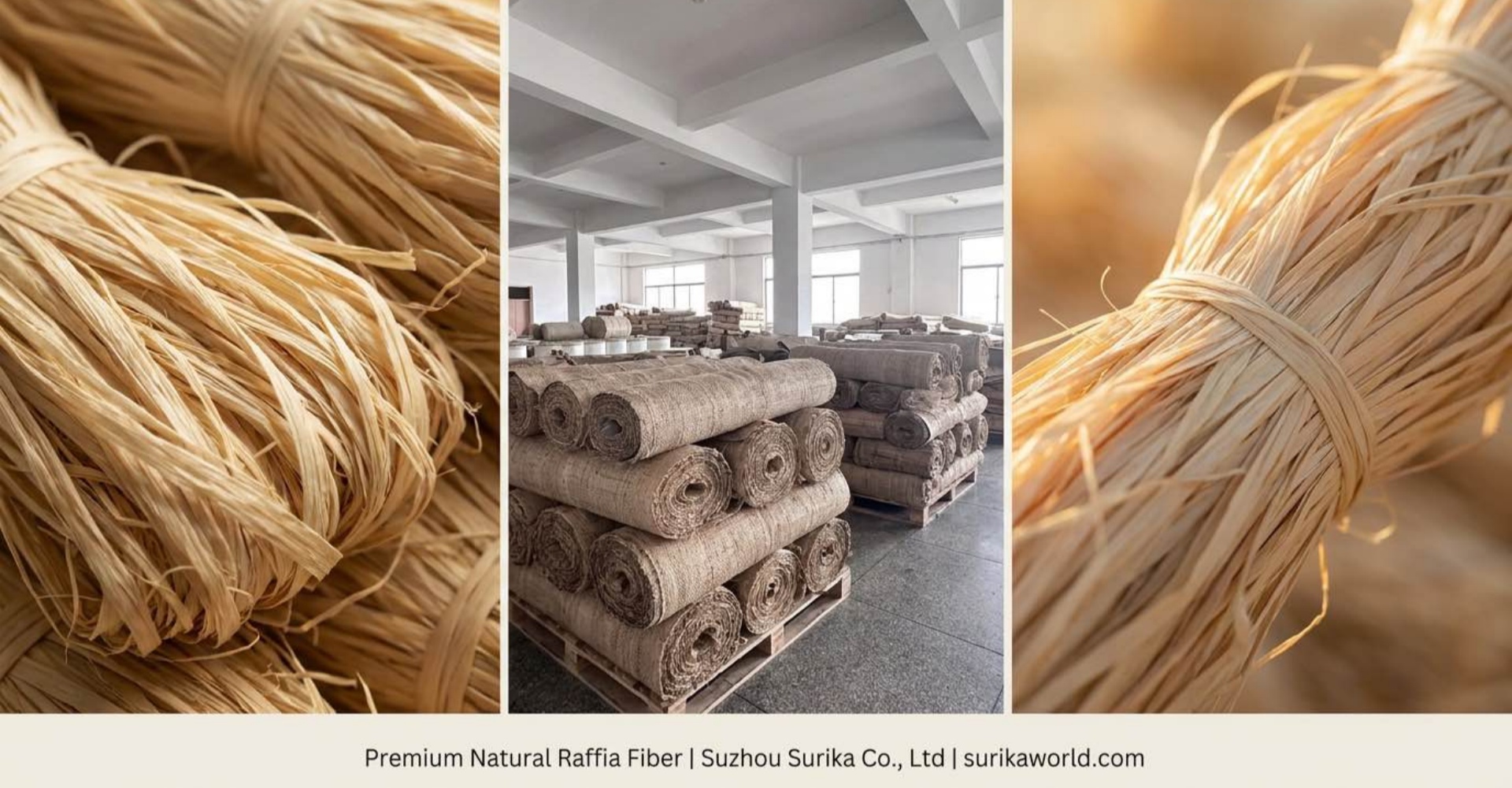
The raffia grass bundles you see from professional suppliers like Surika are harvested at optimal maturity — when the fiber is at peak tensile strength and flexibility — then carefully dried and sorted to remove impurities before being compacted into uniform export-grade bundles.
Why Raffia Grass Is Having a Global Revival
The global interest in natural weaving materials has surged dramatically over the past five years, driven by three powerful forces: the rise of slow fashion, the handmade home décor movement, and stricter regulations on synthetic plastics in Europe and North America.
1. Sustainability & Eco-Conscious Consumers
Today's buyers — whether wholesale importers or individual creators — are actively seeking eco-friendly craft fiber that aligns with their environmental values. Raffia checks every box: it is plant-based, rapidly renewable, carbon-neutral in its growth cycle, and decomposes naturally at end of life. Brands that incorporate sustainable natural fiber into their products enjoy a measurable marketing advantage.
2. The Artisan & DIY Economy
Platforms like Etsy, Pinterest, and Instagram have fueled massive demand for raffia craft supplies. From handwoven baskets and tote bags to wreaths, macramé accents, and table runners, the natural straw fiber offers a warm, organic aesthetic that resonates powerfully with contemporary design trends. Creators love its workability — it is easy to dye, knot, weave, and braid without specialized tools.
3. Industrial & Commercial Applications
Beyond the craft market, bulk raffia fiber plays a growing role in agriculture (plant tying and mulching), luxury packaging, hotel and resort décor, and even the fashion industry. High-end retailers increasingly use raffia straw material in seasonal collections — bags, hats, and accessories — as a premium alternative to synthetic raffia or paper straw.
How to Identify High-Quality Raffia Grass
Not all raffia grass on the market is equal. As a buyer — whether you are sourcing for a craft brand, a wholesale distribution network, or personal creative projects — knowing how to evaluate quality is essential.
Key quality indicators include:
-
Color consistency: Premium natural raffia fiber should be uniformly cream or light golden, without dark spots, mold, or discoloration that indicates poor drying or storage conditions.
-
Fiber length: Longer strands (typically 60–120 cm) are more versatile for weaving and tying applications. Short, broken fibers suggest lower-grade raw material or mishandling during processing.
-
Tensile strength: High-quality raffia palm fiber should resist breakage when pulled gently. Brittle or over-dried fiber will fray easily and is unsuitable for structural weaving.
-
Bundle density: Professional-grade raffia grass bundles are compacted to standard weights (commonly 50g or 100g per bundle) with consistent moisture levels to prevent mildew during shipping.
-
Cleanliness: Export-quality fiber should be free of excessive debris, insects, or foreign material. At Surika, each batch undergoes manual sorting before packaging.
Top Applications of Raffia Grass in 2025
The versatility of natural weaving fiber means it appears across a surprisingly wide range of industries and creative disciplines. Here are the most significant current uses:
Fashion & Accessories
Raffia straw material is a staple in summer fashion, particularly in the creation of woven hats, tote bags, sandals, and jewelry. Luxury brands including Saint Laurent and Valentino have featured raffia prominently in runway collections, elevating its status from "craft supply" to "premium textile." Independent designers source natural raffia fiber in bulk to craft limited-edition accessories with strong sustainability stories.
Home Décor & Interior Design
Interior designers are incorporating natural straw fiber into everything from wall art and lampshade coverings to placemats, table runners, and woven room dividers. The warm, natural tone of raffia grass complements both bohemian and minimalist aesthetics, making it a perennial favorite in home staging and retail visual merchandising.
Agriculture & Horticulture
In the agricultural sector, raffia palm fiber has been used for centuries as a natural tying material for vines, young trees, and delicate vegetable plants. Unlike synthetic twine, raffia ties gently without cutting into stems, and it biodegrades naturally into the soil at season's end — making it the preferred choice for organic farms and eco-certified vineyards.
Gift Wrapping & Luxury Packaging
The gifting industry has embraced bulk raffia fiber as a premium alternative to synthetic shredded paper or ribbon. Florists, boutique retailers, and artisan food brands use loose raffia strands to fill gift boxes, wrap bouquets, and add a rustic, organic finishing touch to luxury product presentations. Its visual warmth is simply impossible to replicate with plastic alternatives.
Buying Raffia Grass in Bulk: What Importers Need to Know
For brands and wholesalers sourcing natural raffia fiber at scale, a few key considerations will determine the success of your supply chain:
-
MOQ and lead times: Most professional suppliers offer raffia grass bundles starting from 50 kg minimum orders. Lead times typically run 15–25 days from order confirmation, depending on harvest cycles.
-
Moisture content: Raffia should be shipped at controlled moisture levels (typically below 15%) to prevent mold in transit. Request moisture certificates or test reports from your supplier.
-
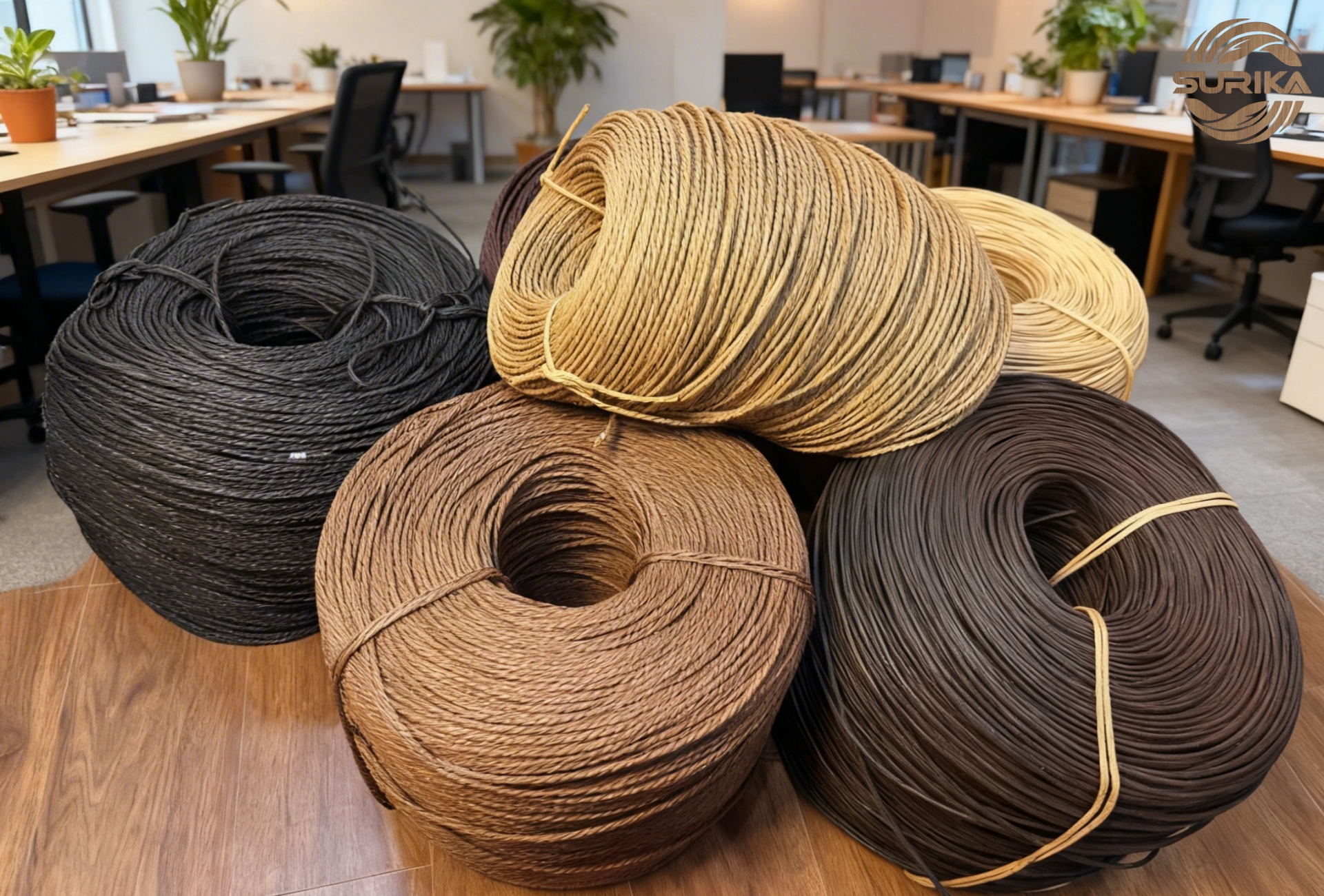
Customization options: At Surika, we offer customization including bundle weight (50g / 100g / 500g), dyed colors (natural, bleached, or custom-dyed raffia craft supplies), and private-label packaging.
-
Certifications: Ask for origin certificates and phytosanitary documents, particularly for imports to the EU, US, and Australia where agricultural fiber imports are regulated.
-
Shipping terms: FOB and CIF are the most common Incoterms for bulk raffia fiber export. Ensure your freight forwarder is familiar with natural fiber declarations to avoid customs delays.
Caring for and Working with Raffia Grass
Whether you are a professional maker or a first-time buyer of eco-friendly craft fiber, understanding how to handle and store raffia will protect your investment and improve your results.
Storage tips:
-
Store in a cool, dry, well-ventilated space away from direct sunlight, which can cause color fading.
-
Keep away from damp environments to prevent mold growth. If fiber becomes slightly dry and brittle, lightly mist with water and allow to partially re-absorb moisture before use.
-
Avoid storing in sealed plastic bags for extended periods — natural weaving materials need some air circulation.
Working tips:
-
Soak raffia strands in warm water for 5–10 minutes before weaving to increase flexibility and reduce splitting.
-
When dyeing natural raffia fiber, use fiber-reactive dyes for vivid, long-lasting results. Mordanting is not required but can improve color fastness.
-
For structural basket weaving, thicker strands work best as the core material, while thinner splits make ideal weavers.
Why Source Raffia from Suzhou Surika Co., Ltd?
At Suzhou Surika Co., Ltd (Surika World), we specialize in premium natural raffia fiber and a comprehensive range of sustainable natural fiber products for global buyers. Our commitment is simple: deliver consistent quality, transparent sourcing, and responsive service on every order.
What sets us apart:
-
Verified raw material sourcing: Our raffia grass bundles are sourced from trusted farming cooperatives with full traceability documentation.
-
Strict quality control: Every batch is manually inspected and graded before packaging. We reject any material that does not meet our fiber length, moisture, and color standards.
-
Flexible customization: From bundle size and weight to custom dyeing and private-label branding, we tailor every order to your specifications.
-
Export expertise: With years of experience shipping bulk raffia fiber and raffia craft supplies to markets in Europe, North America, South America, and the Middle East, we handle all export documentation and logistics coordination.
-
Competitive pricing: Direct-from-source procurement allows us to offer factory-level pricing with no unnecessary intermediary markups.
Conclusion: The Future Is Natural
Raffia grass is more than a material — it is a statement. In choosing natural raffia fiber over synthetic alternatives, brands and creators are signaling their commitment to sustainability, craftsmanship, and authenticity. As global demand for eco-friendly craft fiber continues to accelerate, those who establish reliable sourcing relationships now will be best positioned to meet market opportunities ahead.
Whether you are looking to source raffia craft supplies for a boutique design studio or bulk raffia fiber for large-scale industrial applications, Suzhou Surika Co., Ltd is ready to be your trusted partner. Reach out to our team today to request samples, discuss your requirements, and discover the full potential of natural raffia fiber in your product line.
Natural Cane Webbing vs. Plastic Cane Webbing: Which Is Right for Your Project?
Surika Launches Fiber Webbing Roll: Meeting Extreme Climate and High-End Spatial Demands with Resilient Aesthetics