Natural Cane Webbing vs. Plastic Cane Webbing: Which Is Right for Your Project?
2026-08-19
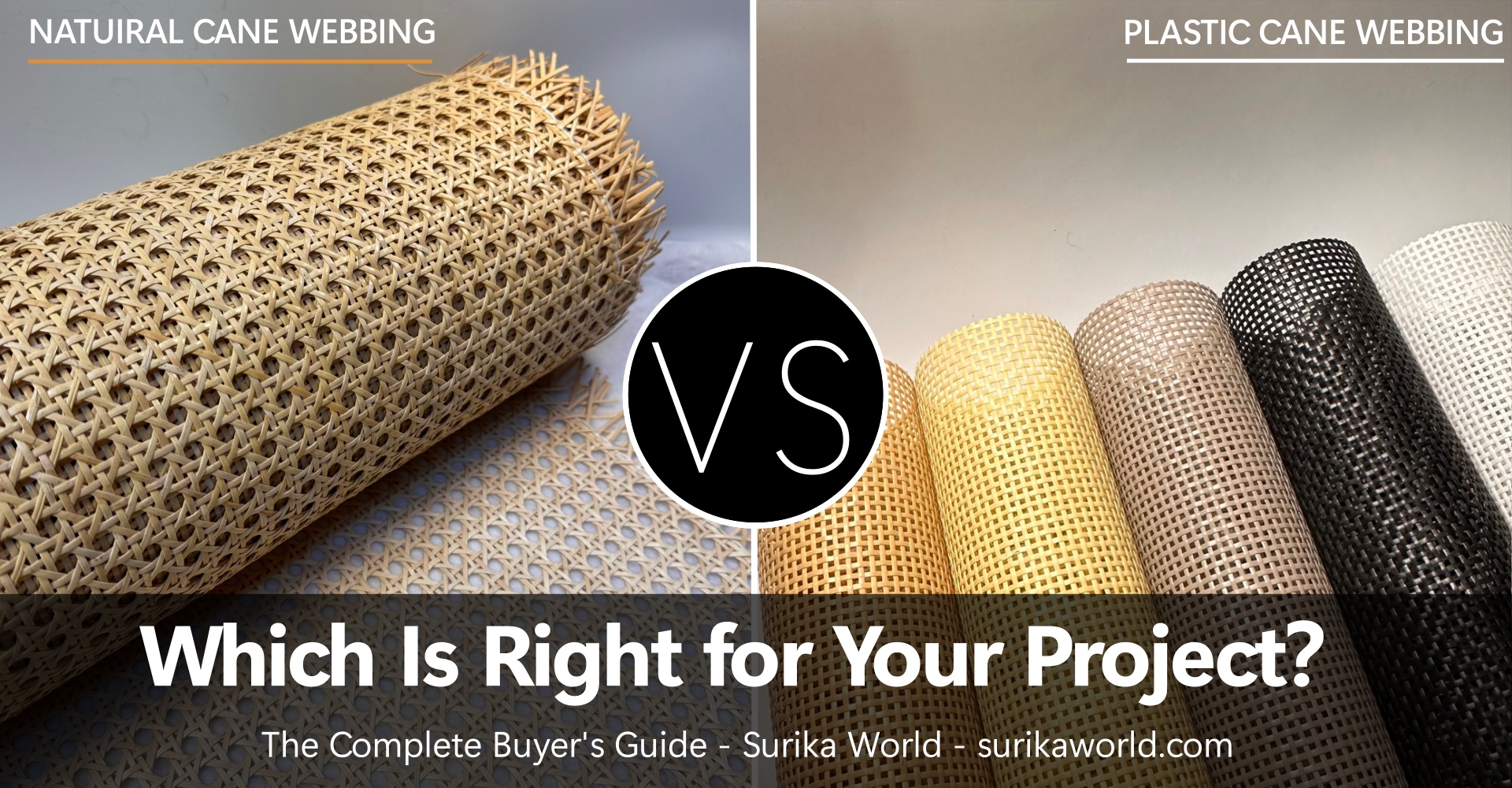
Natural Cane Webbing vs. Plastic Cane Webbing: Which Is Right for Your Project?
Whether you're a furniture maker, interior designer, or wholesale buyer sourcing materials at scale, one question keeps coming up: should you choose natural cane webbing or plastic cane webbing? Both materials have earned their place in the market — but they serve very different needs, budgets, and aesthetics. This guide breaks down everything you need to know so you can make the right call the first time.
What Is Cane Webbing? A Quick Primer
Before diving into the comparison, let's establish a baseline. Cane webbing (also called rattan webbing or cane mesh) is a woven material used primarily in furniture, home décor, and craft applications. It creates that distinctive grid-like pattern you see on cabinet doors, chair backs, headboards, and room dividers.
Traditionally, cane webbing was made exclusively from the outer skin of rattan palms — a rapidly renewable tropical plant sourced mainly from Southeast Asia. In recent decades, manufacturers developed plastic cane webbing as a synthetic alternative, engineered to mimic the look of natural rattan while offering additional performance benefits.
Today, both types are widely available, and choosing between them comes down to five key factors: aesthetics, durability, application environment, sustainability, and budget.
Natural Cane Webbing: Timeless Beauty from the Earth
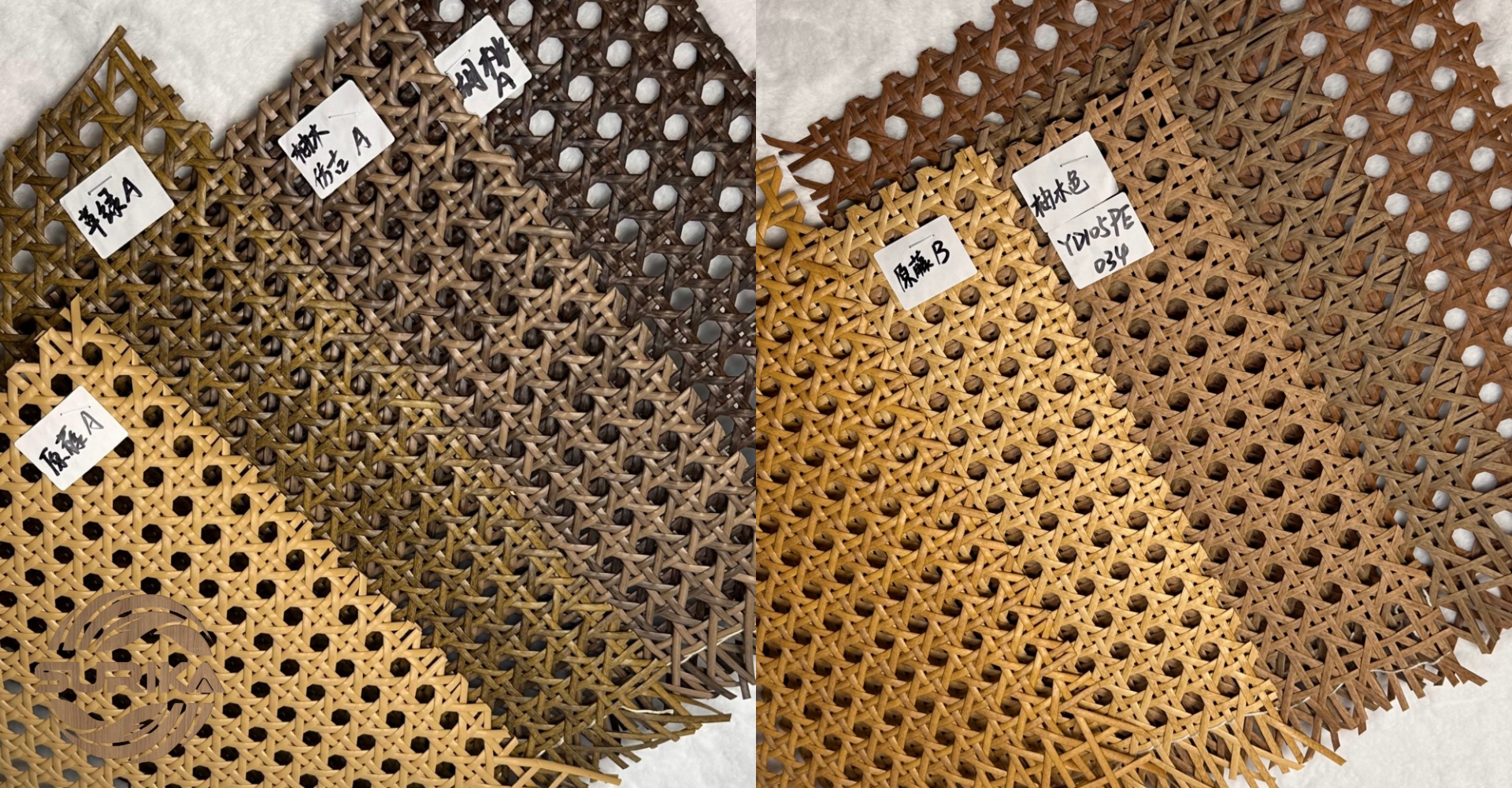
Natural cane webbing is made from real rattan fibers — specifically, the smooth outer skin of rattan palm canes that are soaked, machine-pressed into thin strips, and woven into a mesh. The result is a material with warmth, texture, and a living quality that no synthetic can truly replicate.
Aesthetic Appeal
There's a reason natural rattan webbing has been used in furniture for centuries. Its honey-to-cream tones, subtle variation in color, and organic texture give it an authenticity that resonates deeply with contemporary design movements — from Japandi minimalism to Bohemian maximalism. Each piece of natural cane mesh is slightly unique, carrying the fingerprint of the plant it came from.
Interior designers frequently specify natural cane webbing rolls for high-end residential projects precisely because of this irreplaceable quality. When a client wants a room to feel warm, grounded, and genuinely connected to nature, rattan cane webbing delivers in a way that painted plastic simply cannot.
Workability
Natural cane webbing is highly workable. It can be soaked in water to become pliable, making it easy to stretch over frames, cut to shape, and install without cracking. For DIY cane webbing projects — particularly refacing cabinet doors and restoring antique furniture — the natural material is forgiving and beginner-friendly.
It also accepts stains, paints, and sealants well, giving designers the flexibility to customize the color to match any interior scheme.
Ideal Use Cases
Furniture restoration — replacing worn seats and backs on vintage chairs
Cabinet door caning — the most popular DIY application in 2024–2025
Headboards and bed frames — adding organic texture to bedroom design
Wall art and decorative panels — framed cane webbing sheets as statement pieces
Room dividers — allowing light flow while defining spaces
Limitations to Consider
Natural rattan webbing is sensitive to moisture and prolonged humidity. In bathrooms, outdoor patios, or high-moisture environments, it can warp, sag, or develop mold over time without proper sealing and maintenance. It also requires occasional re-tightening as the fibers relax with use and temperature changes.
Plastic Cane Webbing: Performance-Engineered for Demanding Environments
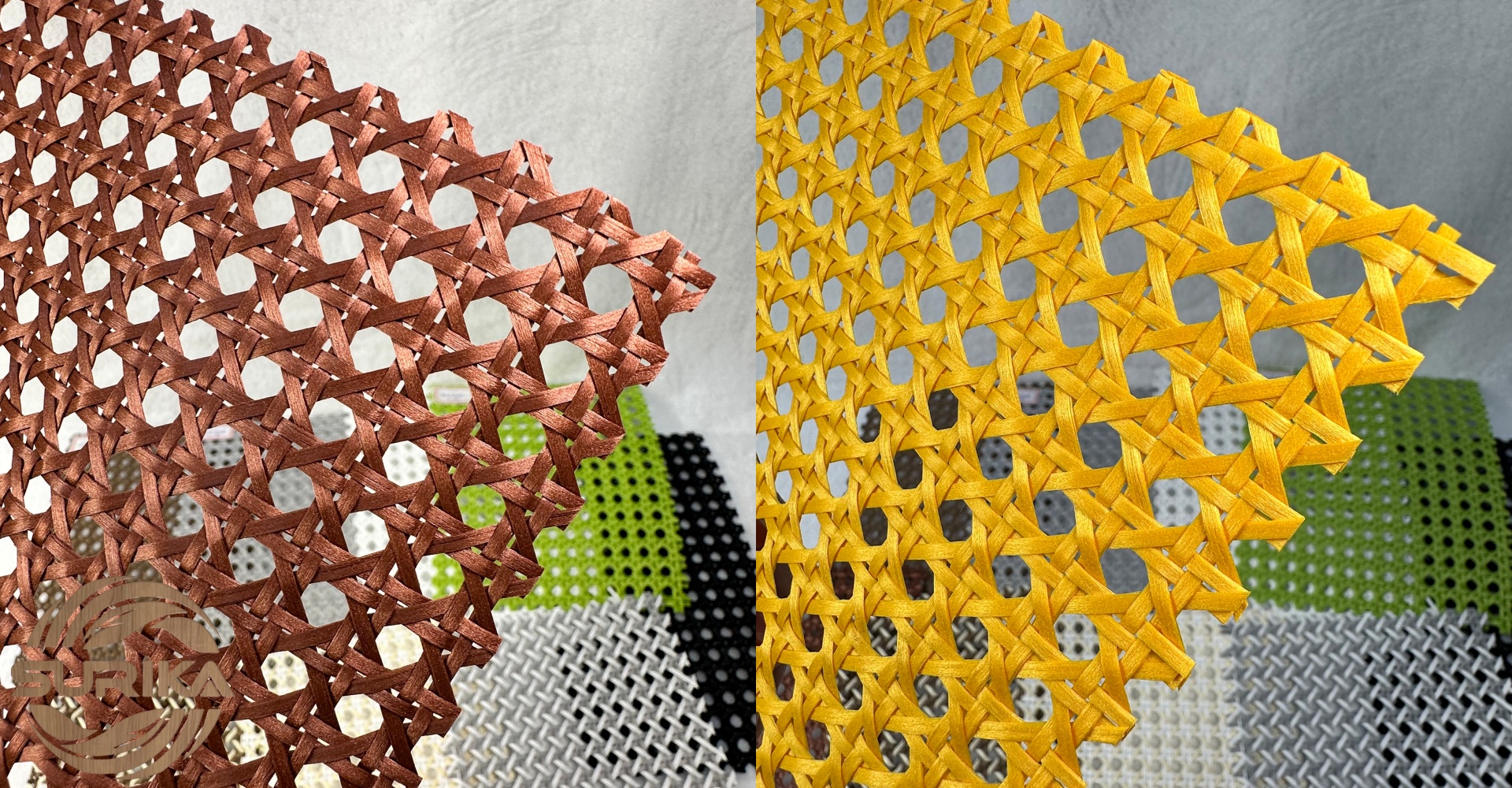
Plastic cane webbing — sometimes referred to as synthetic rattan webbing or PE cane webbing — is manufactured from high-density polyethylene (HDPE) or polypropylene (PP) fibers woven into patterns that mimic the geometry of traditional rattan webbing. Modern production techniques have made today's plastic cane webbing surprisingly convincing in appearance, available in a wide range of colors including natural tones, bleached white, black, and custom hues.
Durability and Weather Resistance
This is where plastic cane webbing genuinely excels. Unlike natural rattan, synthetic webbing is completely waterproof and unaffected by rain, splashes, or humidity. It is UV-stabilized, engineered to resist fading and brittleness under prolonged sun exposure. Because it contains no organic fibers, it is naturally mold and mildew resistant, and cleaning is as simple as wiping it down with a damp cloth — no special treatments or seasonal maintenance required. For outdoor furniture, hotel pool areas, garden settings, or any commercial environment where weather exposure is a daily reality, plastic rattan webbing is the practical and cost-effective answer.
Consistency at Scale
For manufacturers and wholesale buyers producing large volumes of furniture, plastic cane webbing rolls offer a significant advantage: perfect consistency. Every meter looks identical — same color, same weave tension, same dimensions. This uniformity is nearly impossible to guarantee with natural materials, where slight color variations and fiber differences are inherent. If you're running a production line for rattan-style furniture and need thousands of meters of material to match exactly, synthetic cane webbing eliminates quality-control headaches that natural material simply cannot avoid at scale.
Ideal Use Cases
Plastic cane webbing is the material of choice for outdoor and garden furniture that faces the elements year-round, as well as for commercial hospitality settings such as hotel lobbies, resort terraces, and restaurant seating areas where durability and low maintenance matter more than organic authenticity. It is equally well-suited to high-volume furniture manufacturing where consistency across large batches is non-negotiable, children's furniture that needs to withstand rough handling and frequent cleaning, and retail display fixtures where a clean, modern aesthetic is preferred over a natural one.
Limitations to Consider
Plastic cane webbing lacks the organic warmth of natural rattan. Under close inspection, the synthetic sheen and perfect uniformity can feel slightly artificial to discerning eyes. It is also less workable than natural cane — it does not respond to soaking and can be more difficult to stretch and shape around complex curved frames. For restoration projects or applications where authenticity is paramount, synthetic webbing is rarely the right substitute.

How to Choose: A Simple Decision Framework
The choice between natural cane webbing and plastic cane webbing ultimately comes down to where the piece will live and what it needs to do.
If the project is indoors, in a climate-controlled environment, and authentic organic aesthetics are a priority — especially for furniture restoration, custom residential work, or any setting where clients value sustainable, natural materials — natural rattan webbing is almost always the right answer. Its warmth, workability, and irreplaceable character justify the extra care it requires.
If the furniture will be used outdoors or in high-humidity spaces, if you need large volumes with guaranteed consistency, or if long-term durability and minimal maintenance are the primary drivers — plastic rattan webbing is the smarter investment. Its performance advantages in demanding environments are real and measurable, and the cost efficiency at scale makes it a favorite among commercial furniture manufacturers worldwide.
And if you're still undecided, consider this: many forward-thinking designers use both. Natural cane webbing on interior-facing pieces where it will be seen and touched up close, plastic cane webbing on outdoor companion furniture or high-traffic dining chairs. This hybrid approach captures the beauty of natural materials where it counts most, while keeping long-term maintenance demands firmly under control.
Why Source Both from One Trusted Supplier?
Managing two separate supply chains for natural and plastic cane webbing adds unnecessary complexity — different lead times, quality standards, and shipping terms to coordinate. At Surika World (Suzhou Surika Co., Ltd), we manufacture and supply both natural rattan webbing rolls and plastic cane webbing rolls to buyers across Europe, North America, South America, and the Middle East from a single, reliable source.
Our range includes natural cane webbing in standard and custom weave patterns — hexagon, close weave, and open weave — alongside plastic cane webbing in multiple colors and widths, available in bulk rolls with consistent quality across every order. We also offer custom dimensions, OEM packaging, and private-label options for brands building their own product lines.
Whether you need a sample to evaluate before committing, or a full container to stock your warehouse, our team is ready to support you from first inquiry to final delivery.
Final Verdict
There is no universally "better" choice between natural cane webbing and plastic cane webbing — only the right choice for your specific project. Natural rattan webbing wins on beauty, authenticity, and sustainability. Plastic cane webbing wins on durability, consistency, and value at scale. Understanding that distinction is what separates a smart buying decision from a costly mistake.
If you're ready to explore your options or need expert guidance on which specification fits your project, reach out to the Surika team today. We'll help you find the right material — no guesswork required.
Contact us: info@surikaworld.com | WhatsApp: +86 13915674774
Raffia Grass: The Natural Fiber Transforming Modern Craft & Design